





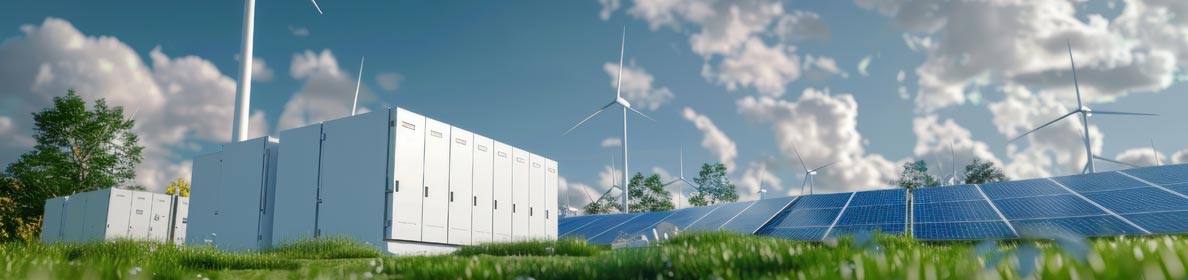
Energy Technology Solutions
Battery energy storage systems (BESS) store electricity and deliver it when generation and demand do not align. These stationary energy storage systems integrate rechargeable battery cells and modules with power conversion, controls, thermal management, and protective enclosures. BESS supports renewable energy integration, grid balancing, peak-demand management, backup power, microgrids, and resilient EV charging infrastructure. As electrification increases power demand across transportation, buildings, connected devices, and data-intensive infrastructure, reliable energy storage becomes increasingly important. Boyd combines engineered materials, thermal management, and precision manufacturing to help protect critical BESS interfaces from heat, electrical faults, environmental exposure, vibration, and mechanical stress-supporting safer, more reliable energy technology solutions.
Streamlined, Multi-Functional Solutions

Quick Design Cycles and Fast Prototyping

Greater Design Flexibility
What Are Energy Technologies and Why Do They Matter?
Battery energy storage systems (BESS) are central to modern energy infrastructure, storing electricity for use when generation and demand do not align. They support renewable energy integration, peak demand management, backup power, microgrids, and grid resilience. These systems depend on reliable protection for cells, modules, racks, power electronics, and enclosures. Boyd combines engineered materials and advanced manufacturing to address critical BESS interfaces while supporting the wider energy ecosystem. Related solutions help protect renewable energy equipment, power generation and distribution systems, microgrids, and EV charging infrastructure from heat, electrical faults, environmental exposure, vibration, and mechanical stress.Energy Technology Applications
Boyd supports energy generation, conversion, distribution, storage, and charging applications with engineered materials. Key applications include battery energy storage systems, renewable power equipment, microgrids, power electronics, grid infrastructure, and EV charging systems. BESS remains a primary focus because it connects renewable generation, resilient power, and reliable energy delivery.Perché Boyd per le soluzioni a batteria?

Our lightweight, high performance sealing solutions help you design larger batteries with greater power density.

Robustiamo le batterie per resistere a condizioni ambientali e stradali difficili per l'accumulo di energia e batterie EV con durata e autonomia prolungate.

Progettiamo soluzioni per l'assemblaggio semplificato del cliente, la produttività della progettazione per la produzione (DFM) e l'ottimizzazione dei materiali.
La differenza di Boyd per un pacco batterie EV
Conosciamo la sicurezza e l'affidabilità. Siamo anche esperti nel massimizzare la densità di potenza, l'utilizzo dell'energia, il recupero e l'efficienza nelle applicazioni. Da oltre 60 anni dimostriamo che l'affidabilità e la sicurezza sono in prima linea nel nostro supporto alla progettazione e alla produzione per i mercati dei trasporti, aerospaziale e della difesa, guidando l'innovazione per rendere le nostre tecnologie più leggere e compatte. E stiamo fondendo questo patrimonio con processi di produzione, materiali e tecnologie innovativi dalla nostra esperienza in settori avanzati per migliorare la progettazione e la tecnologia dei componenti del pacco batteria EV in modo sicuro ed efficiente.Le tre principali cause di fuga termica e come prevenirle
Visualizza la trascrizione
Maximize BESS Performance with Boyd’s Sealing Technologies
(Visualizza trascrizione)
Il patrimonio della batteria di Boyd
- Proven experience producing high-volume battery sealing and protection components
- 2 million + eMobility battery component installations
- Più di 60 anni di prestazioni comprovate sul campo e oltre 1 miliardi di unità spedite in applicazioni di trasporto, aerospaziale e difesa per un'affidabilità affidabile nei mercati in cui la sicurezza è una preoccupazione chiave.
Ruggedize BESS Enclosures for Demanding Environments
Battery energy storage systems may operate outdoors, in industrial facilities, at renewable generation sites, or in remote locations. Enclosures must withstand rain, dust, humidity, temperature cycling, UV exposure, vibration, and repeated service access. Custom perimeter seals and gaskets, or enclosure seals or housing gaskets, protect cabinet doors, lids, access panels, and service interfaces against environmental ingress while supporting compression-set requirements, enclosure tolerances, and maintainability.Batterie EV e risorse di accumulo di energia


Manage Cell Swelling and Stack Pressure with Compression Pads
Prismatic cells expand and contract through charge cycling and aging. Without controlled compression, dimensional change can create uneven stack pressure, mechanical stress, and movement within the module. Boyd compression pads fit between prismatic cells to accommodate swelling, manage tolerance variation, maintain targeted stack pressure, and cushion vibration. Pads can be engineered for thickness, force-deflection behavior, compression set, and integration with adjacent dielectric or thermal-barrier layers.

Electrical Isolation Across the BESS Assembly
Dielectric films and barriers electrically isolate cell faces, module covers, busbars, and enclosure clearances without consuming unnecessary space. Custom electrical insulators protect terminals, support busbars, and isolate fasteners to maintain critical clearances and reduce the risk of shorts or arcing. Converted components can combine films, adhesives, and cushioning layers for reliable placement and simplified assembly.Control Heat, Ejecta, and Propagation with Integrated Barriers
A layered protection strategy helps manage the consequences of a cell failure. Thermal barriers between cells or modules slow heat transfer and propagation. Blast barriers positioned above cell vents help retain fragments and redirect hot ejecta toward intended vent paths. Insulation blankets under lids and near vent-facing zones provide transient heat shielding for enclosure surfaces, electronics, and adjacent modules. Material selection and placement should align with cell format, vent direction, electrical clearances, enclosure architecture, and qualification requirements.
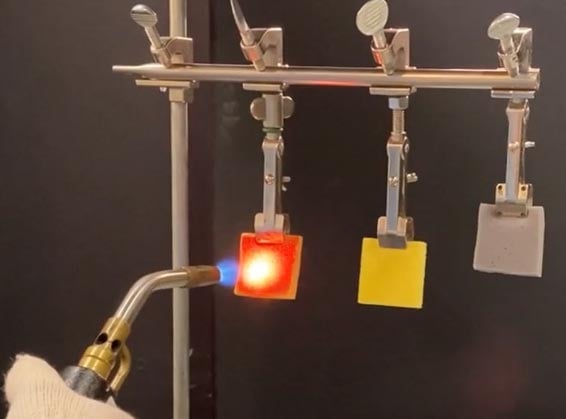
Isolamento e protezione della batteria SOLIMIDE®
SOLIMIDE® è una schiuma resistente al fuoco, ultraleggera e non tossica in grado di mantenere le massime prestazioni sia alle alte che alle basse temperature estreme. È eccezionalmente resistente alla fiamma e utilizzato come barriera alla fiamma in molte applicazioni critiche. SOLIMIDE® non si accende o brucia sotto continua esposizione diretta a lungo termine alla fiamma, emette zero tossine e pochissimo fumo. Offre caratteristiche prestazionali tradizionali della schiuma come la comprimibilità e lo smorzamento delle vibrazioni. È anche non traspirante con un'elevata stabilità idrolitica, il che significa che non trattiene l'acqua o il peso dell'acqua e può sopportare una lunga esposizione ai liquidi. Se applicato in un pacco batteria, funge da protezione antincendio secondaria a livello di pacco batteria, isolando la fiamma e il fuoco mentre assorbe sia le vibrazioni meccaniche che l'acustica per batterie più sicure, più silenziose e più affidabili.
Prevenzione della fuoriuscita termica della batteria agli ioni di litio
Una buona gestione della temperatura delle celle della batteria agli ioni di litio con funzioni di sicurezza di backup aggiuntive aiuta a prevenire gli eventi di runaway termico della batteria o a rispondere in modo sicuro e rapido se si verificano. La prevenzione del runaway termico inizia con un design ottimizzato, ma richiede anche componenti che proteggano dalla propagazione termica in fuga. Le soluzioni multifunzionali e complesse per componenti della batteria progettate per l'applicazione da cella a cella assorbono l'impatto, le vibrazioni e il movimento, dissipano il calore della cella e agiscono come barriera di fiamma o calore e isolatore se dovesse verificarsi un evento catastrofico. Consenti ai tuoi progetti di prevenire in modo proattivo e sicuro gli eventi termici di fuga gestendo vibrazioni, movimenti e attriti e isolare rapidamente calore o incendio estremi nell'improbabile eventualità che le funzionalità di progettazione della sicurezza della batteria non riescano a prevenire la propagazione da cella a cella. Highly integrated thermal runaway prevention assemblies feature heat spreaders with compression pads and flame-rated electrical insulation to isolate li-ion battery cells. Prevenire, proteggere e isolare il runaway termico dell'accumulo della batteria e il runaway termico della batteria EV.

Batterie robuste per resistere all'esposizione ambientale
(Visualizza trascrizione)
How to Protect EV Batteries Against Collision and Thermal Runaway
(Visualizza trascrizione)
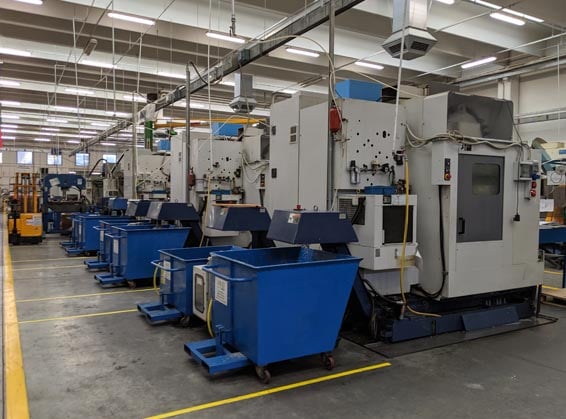
Rete globale e supporto locale
Boyd maintains nearly 20 ISO 9001 and nine multiple IATF 16949 certified manufacturing operations across three continents to assure our energy storage and eMobility components exceed the rigorous demands for quality management systems with adept regional support. L'attenzione al cliente e la cultura della gestione delle relazioni di Boyd sono allineate con i processi di sistema SGQ più esigenti. By optimizing processes, organization, and efficiency, we reduce costs and increase yield rates with effective management and assembly processes, all while providing our customers with the highest quality products.Risolvi i regolamenti di sostenibilità del futuro
Le operazioni di produzione di Boyd, disponibili a livello globale e certificate ISO 14001 e le partnership di lunga data con innovatori di eMobility, veicoli elettrici, veicoli elettrici ibridi, autonomia e stoccaggio di energia influenzano il modo in cui superiamo i rigorosi requisiti ambientali regionali e di sicurezza, anticipiamo le esigenze dei consumatori in evoluzione e risolviamo le normative di sostenibilità del futuro.

Trusted Innovation in eMobility | EV Battery Thermal Runaway Solutions
eMobility Solutions | EV Thermal Runaway Protection |EV HMI Technology
Vantaggi delle batterie EV e dell'accumulo di energia:
Raccogli energia per la ricarica rapida della batteria per i veicoli elettrici.
Acquista energia a tempi di domanda più bassi per prezzi migliori.
Immagazzina energia per il consumo di emergenza, in particolare per luoghi e sistemi critici come ospedali e data center.
Migliora l'affidabilità della produzione di energia da fonti sostenibili come parchi eolici o solari.
Bilancia la produzione e la domanda della rete, specialmente durante le ore di punta.
Batterie EV e sfide di stoccaggio dell'energia:
Le apparecchiature di supporto e i materiali protettivi riducono il volume disponibile per le celle della batteria e riducono la densità energetica.
Renewable on-site energy storage systems are located at solar or wind farms, which can be in remote locations. Ciò può limitare la manutenzione del sistema e richiede sistemi altamente affidabili per l'uso continuo.
Le batterie EV devono soddisfare rigorosi standard di sicurezza per la sicurezza dei passeggeri, che includono protezione dalle collisioni e materiali resistenti al fuoco per aumentare il tempo di uscita in caso di emergenza.
Every gram counts in extending EV battery range, so protection must use lightweight, yet reliable solutions.
Sfrutta gli oltre 15 anni di esperienza di Boyd nelle batterie per migliorare il tuo prodotto.
Termini chiave per la batteria e l'energia da conoscere

| Termine | Definizione |
|---|---|
| Guarnizioni e Guarnizioni | Sigillare pacchi batteria, moduli batteria e coperture batteria contro l'impatto della temperatura, l'ingresso di aria, polvere e acqua. Ottimizza le prestazioni, l'impermeabilità e la tenuta considerando il set di compressione e la deflessione della forza, NVH e altri fattori meccanici. |
| Pellicole di sfiato e guarnizioni | Controllare l'assemblaggio interno della batteria o la pressione del pacco, l'umidità e altri fattori ambientali. |
| Schermatura EMI | Ridurre la suscettibilità ai malfunzionamenti elettronici nei pacchi batteria e nei moduli bloccando le onde elettromagnetiche esterne indesiderate. |
| Protezione termica multistrato Runaway | Schiume e pellicole resistenti al fuoco ad alta temperatura per schermare, bloccare e sopprimere la fiamma tra celle e moduli della batteria. |
| Cuscinetti di compressione e tolleranza | Gestisci l'espansione e la contrazione dello stack di tolleranza delle celle della batteria e dei cicli di temperatura. |
| Isolamento elettrico e avvolgimento di celle | Gli strati isolanti avvolgono le celle e i moduli della batteria per evitare la tensione di scintilla tra i componenti critici interni che può causare cortocircuiti o incendi del dispositivo. |
| Adesivi dielettrici per sbarre | Proteggi i circuiti stampati flessibili nei gruppi batteria per prolungare la durata dei dispositivi. |
| Materiali di interfaccia termica (TIM) | Facilita il trasferimento di calore tra la piastra di raffreddamento e il modulo batteria, allontanando il calore dai componenti sensibili. TIM aiuta a ridurre al minimo la resistenza del flusso di calore in entrata, attraverso e fuori da un'interfaccia. |
| Legame cellula-cellula | Gli adesivi sensibili alla pressione uniscono sacchetto e celle prismatiche per migliorare l'integrità strutturale nei gruppi batterie. |
Energy Technology and BESS FAQs
What is a battery energy storage system (BESS)?
A battery energy storage system (BESS) stores electrical energy in rechargeable batteries and delivers it when needed. A typical BESS integrates battery cells and modules with power conversion, thermal management, controls, and protective enclosures to support renewable energy integration, peak-demand management, backup power, microgrids, and grid resilience.Are there eco-friendly battery cooling solutions?
Yes. More sustainable battery cooling solutions can improve energy efficiency, optimize material use, and support longer system life. Thermal interface materials transfer heat from battery cells or modules to cooling plates, while lightweight insulation and integrated components can reduce part count and material waste. The right approach depends on the battery architecture, operating environment, cooling requirements, and performance targets.What role does cooling play in battery safety?
Cooling helps maintain battery cells and modules within their specified temperature range, reducing overheating and temperature gradients that can degrade performance and increase thermal-runaway risk. Effective thermal management supports safer, more reliable operation across changing loads and environmental conditions, but it is one part of a broader battery safety strategy.What protection materials are commonly used in a BESS?
Common BESS protection materials include environmental seals that limit dust and moisture ingress; dielectric films and electrical insulators that maintain electrical isolation; compression pads that manage cell swelling and stack pressure; thermal interface materials that transfer heat to cooling systems; and thermal barriers, blast barriers, and insulation blankets that help manage heat, fragments, hot ejecta, and propagation during a thermal event.How do environmental seals protect a BESS enclosure?
Environmental seals protect a BESS enclosure by limiting the ingress of dust, moisture, and contaminants that can compromise reliability. Custom foam or rubber gaskets seal cabinet doors, lids, access panels, and service interfaces while accommodating enclosure tolerances, compression requirements, and repeated opening during maintenance.What is the difference between a thermal barrier and a blast barrier?
A thermal barrier is positioned between cells or modules to slow heat transfer and help limit thermal runaway propagation. A blast barrier is typically positioned near or above cell vents to help retain fragments and redirect hot ejecta along engineered vent paths, away from adjacent cells and sensitive equipment.What do thermal interface materials do in a BESS?
Thermal interface materials (TIMs) fill air gaps between a battery cell or module base and a cooling plate. By conforming to surface irregularities and reducing thermal contact resistance, they improve heat transfer into the cooling system and support more consistent battery temperatures.How do dielectric films and electrical insulators improve BESS safety?
Dielectric films and custom electrical insulators create electrical separation around cell faces, module covers, terminals, busbars, fasteners, and enclosure clearances. They help maintain required clearances and reduce the risk of short circuits or arcing while using minimal space within the BESS assembly.How do engineered materials help protect a BESS from thermal runaway?
Engineered materials help protect a BESS from thermal runaway through prevention, containment, and propagation control. Dielectric films and electrical insulators help prevent electrical faults. Compression pads manage cell movement and stack pressure. Thermal barriers slow heat transfer between cells or modules, blast barriers help contain fragments and redirect hot ejecta, and insulation blankets shield nearby enclosure surfaces and components.What factors should be considered when selecting BESS protection materials?
BESS protection material selection should account for the battery design, operating environment, integration needs, and validation requirements. Key factors include cell format, vent direction, electrical clearances, enclosure architecture, environmental exposure, operating temperature, dimensional tolerances, service access, attachment methods, and qualification requirements.Can multiple BESS protection functions be combined into one component?
Yes. Depending on performance requirements and component architecture, a converted multilayer component can combine sealing, electrical isolation, cushioning, insulation, and thermal-management functions. Boyd integrates films, foams, adhesives, elastomers, and insulation to reduce part count, support consistent placement, and simplify BESS assembly.Why are compression pads used between prismatic battery cells?
Compression pads are placed between prismatic battery cells to accommodate cell swelling, maintain targeted stack pressure, absorb dimensional tolerance variation, and reduce mechanical stress throughout charge cycling and aging. These functions help support stable cell positioning and reliable module performance over time.Build Safer, More Reliable Energy Systems with Boyd
Build safer, more reliable energy systems with proven expertise: more than 1 million EV battery seals installed in today's leading electric vehicles and more than 2 million eMobility battery component installations. Benefit from more than 60 years of field-proven performance and over 1 billion units shipped across transportation, aerospace, and defense applications-experience that supports trusted reliability where safety is critical. Partner with Boyd to simplify assembly, protect critical interfaces, and accelerate the development of dependable energy technologies from component to system.



Hai domande? Siamo pronti ad aiutarti!